
Vera Claythorne: The Governess Haunted by Guilt
And Then There Were NoneVera's journey from a seemingly innocent games mistress to a murderer who kills to survive, and finally a victim of her own conscience.
increasing Bearing strength in each event
 decreasing
Bearing strength in each eventdecreasingThe Past Crime
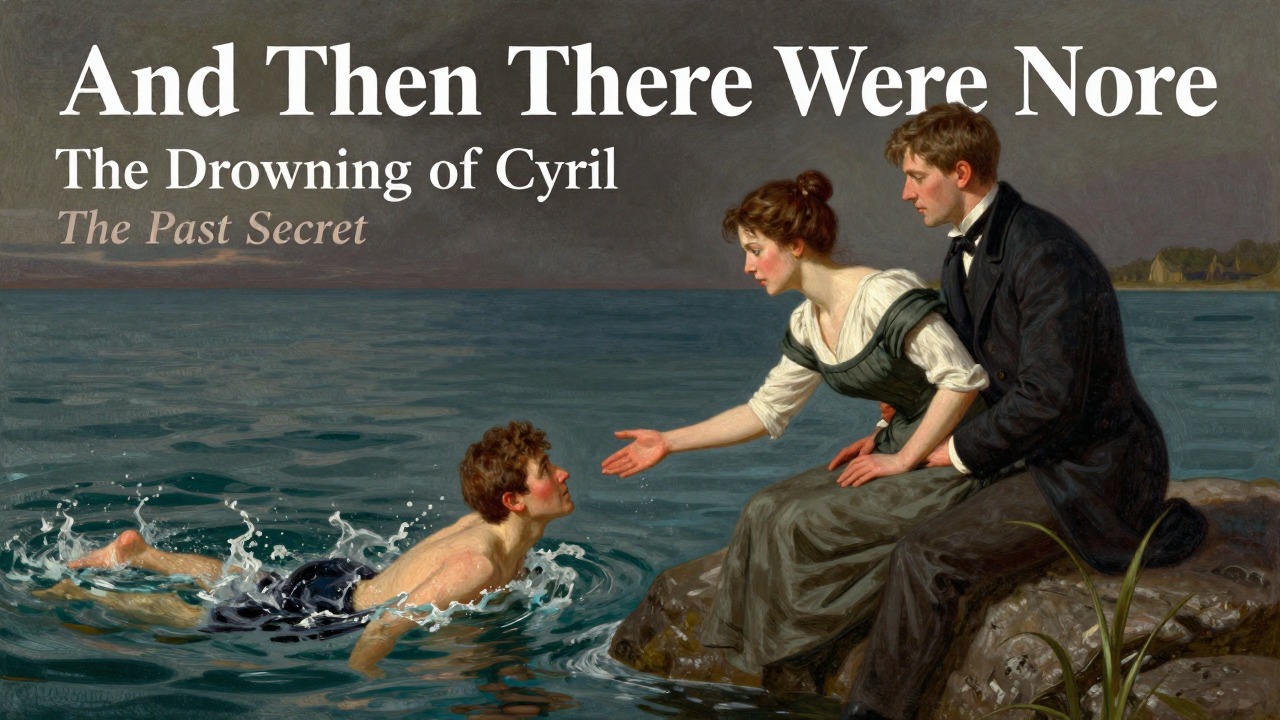
The Drowning of Cyril
The Guilty Secret
Vera Elizabeth Claythorne had been a governess to Cyril Ogilvie Hamilton, the nephew of Hugo Hamilton. She fell in love with Hugo, but he could not marry her because the family fortune would go to Cyril. One day, she encouraged Cyril to swim out to a rock, knowing he would drown. She pretended to swim after him but arrived too late. The inquest cleared her, but Hugo suspected the truth. He left her, and she was haunted by guilt.
The Escape
Vera took the job on Indian Island to escape her memories. But the island only intensified them. The sea, the nursery rhyme, the accusations—all brought back the day of the drowning. She was determined to survive, but her guilt was a weight that would eventually pull her down.
The Accusation and Denial
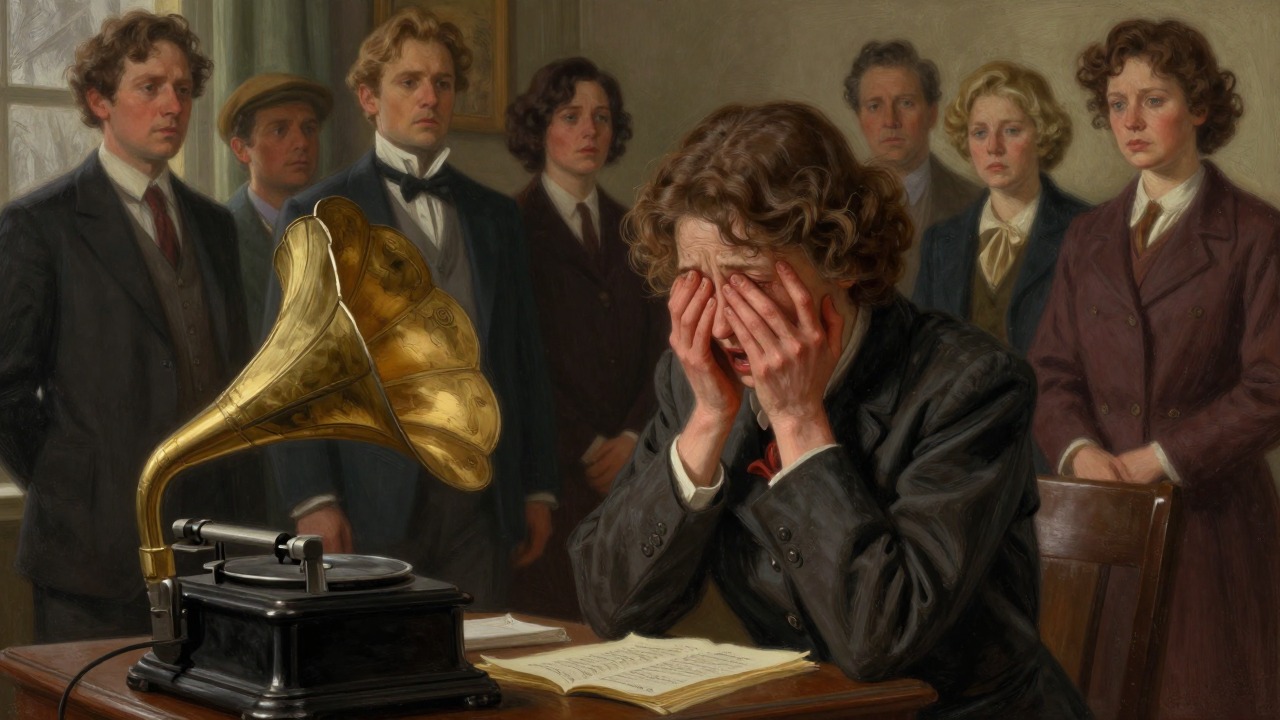
The Voice Exposes Her
The Public Shame
When the gramophone accused her of killing Cyril, Vera broke down in tears. She protested her innocence, but the others were not convinced. She felt the weight of their suspicion. She tried to be brave, but the fear of exposure was constant. She found an ally in Philip Lombard, who seemed to believe her—or at least, he was willing to trust her against the others.
The Growing Paranoia
As the deaths mounted, Vera became more and more frightened. She was terrified of the dark, of the sea, of the hook in her ceiling. She began to suspect everyone, especially Dr. Armstrong and then Philip Lombard. Her nerves were frayed, but she was determined to survive.
The Killing of Lombard
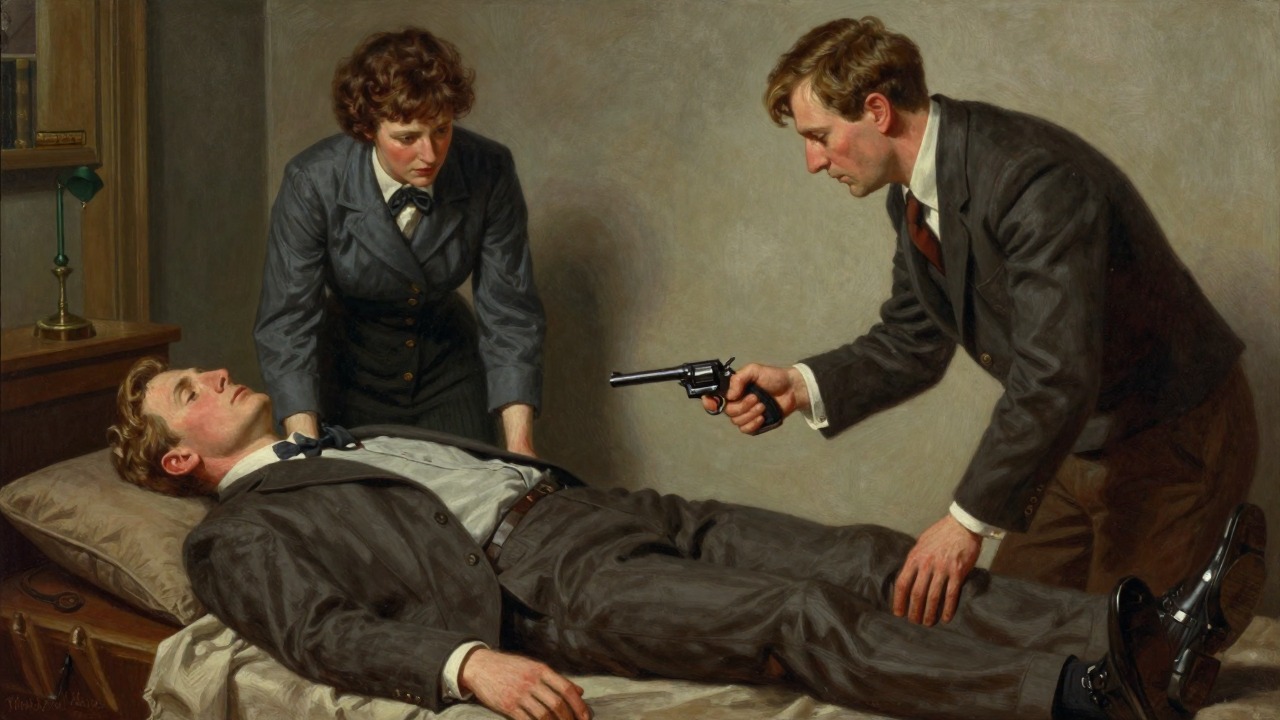
The Final Confrontation
The Trick
When Vera and Philip found Dr. Armstrong's body, Vera realized that only they were left. She knew that one of them must be the murderer. She tricked Philip into helping her move the body, and while he was occupied, she picked his pocket and took his revolver. She shot him through the heart. It was a cold-blooded act of self-preservation, but she felt justified. She had killed the murderer—or so she thought.
The Relief
For a moment, Vera felt immense relief. She was the sole survivor. She walked back to the house, exhausted but triumphant. She did not know that Wargrave was still alive, watching her. Her victory was an illusion.
The Hanging
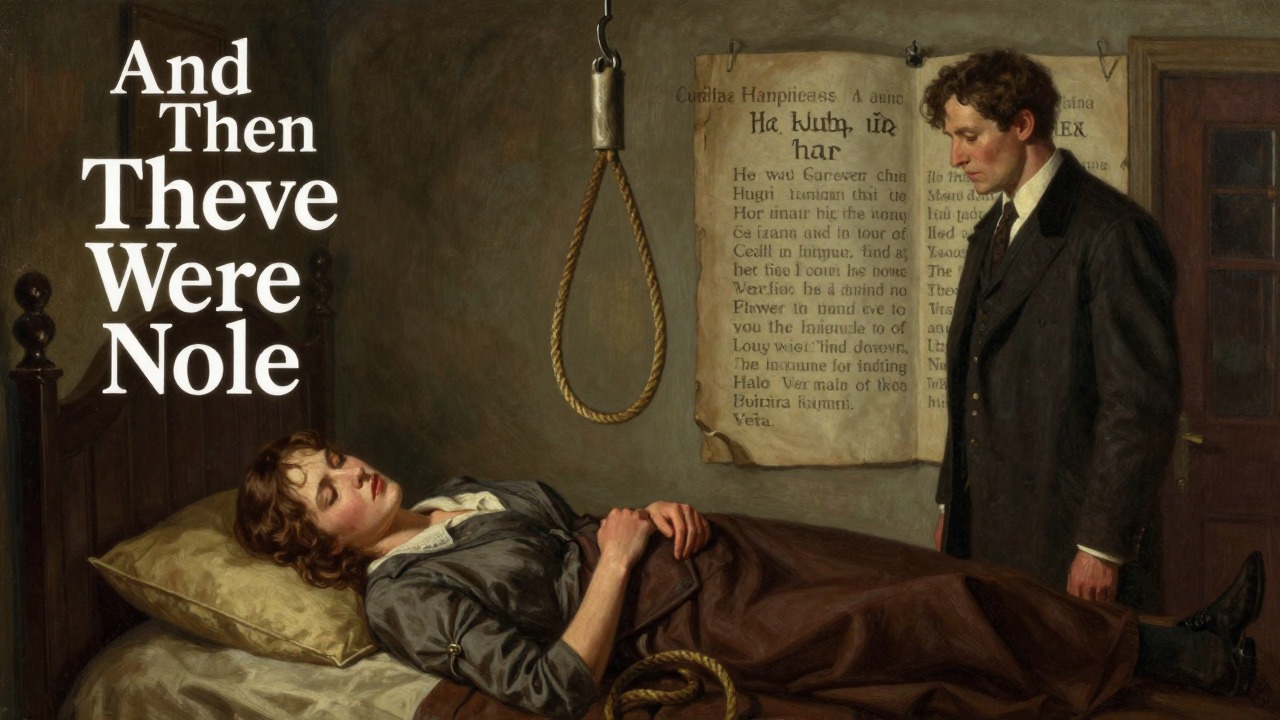
The Final Surrender
The Hypnotic Suggestion
Vera entered her room and saw the noose hanging from the hook. In her exhausted state, she was overwhelmed by guilt. She saw the ghost of Hugo Hamilton, who seemed to be waiting for her. She remembered the last line of the nursery rhyme: "He went and hanged himself." She climbed onto the chair, put the noose around her neck, and kicked it away. She hanged herself, fulfilling the rhyme and her own fate.
The Legacy
Vera's death was the final act of the tragedy. She had been a victim of her own guilt as much as of Wargrave's plan. Her story is a cautionary tale about the inescapability of sin and the power of conscience.
August 11, 1935, and before
August 8th, evening
late afternoon, August 11th
evening of August 11th
